This article is for adults 18+ and is for informational purposes only. It is not medical advice, and the statements here have not been evaluated by the Food and Drug Administration (FDA). Any product mentioned is not intended to diagnose, treat, cure, or prevent any disease. Consult a physician before starting any supplement, especially if pregnant, nursing, or managing a health condition.
With every passing year, the cartilage between our bones gradually thins, the fluid that lubricates the knees and hips decreases, and the body starts sending signals we'd rather ignore. The problem is that ignoring them doesn't make the stiffness go away — it only delays the day it becomes a real obstacle to walking, bending down, or simply getting out of bed without thinking twice.
The good news is that the science of movement has come a long way in recent years. We now know that most age-related joint discomfort comes down to three factors we can actually work on: the quality of synovial fluid (the joint's natural "lubricating oil"), the level of low-grade inflammation in the body, and the specific nutrition cartilage needs — something everyday eating habits rarely provide in sufficient amounts.
Why Stiffness Gets Worse With Age
Contrary to what many people think, joint pain isn't "just mechanical wear and tear." Over the years, the body's natural production of hyaluronic acid — the substance responsible for keeping synovial fluid thick and cushioning — steadily declines. Less lubrication means more friction, and more friction means more discomfort with every step.
- Progressive decline in synovial fluid starting around age 40
- Reduced absorption of nutrients essential for cartilage
- Silent inflammation that builds up over years of a sedentary routine
- Gradual loss of range of motion in the knees and hips
What Actually Helps
Mobility specialists generally recommend a combination of three approaches: staying active with low-impact exercise, managing body weight to reduce the load on the knees and hips, and making sure you get nutritional support specifically aimed at cartilage and joint fluid — something that goes well beyond the calcium and vitamin D found on generic supplement labels.
It's precisely on this third point that most people are left in the dark. A typical diet rarely delivers adequate amounts of compounds like bioavailable hyaluronic acid, along with plant extracts such as pine bark, ginger, and Boswellia studied for their effect on joint mobility — which is why targeted supplementation has been gaining ground in recommendations from nutritionists and physical therapists.
Small Changes, Compounding Results
Nobody reverses decades of joint wear overnight — but the body responds well when it gets the right stimulus consistently. Short, frequent walks, gentle morning stretching, proper hydration, and cartilage-focused nutritional support form the foundation of any serious long-term mobility strategy.
If stiffness, cracking joints, or joint pain are already part of your routine, it's worth taking a closer look at the joint support options available today — and deciding calmly whether they make sense for your situation.
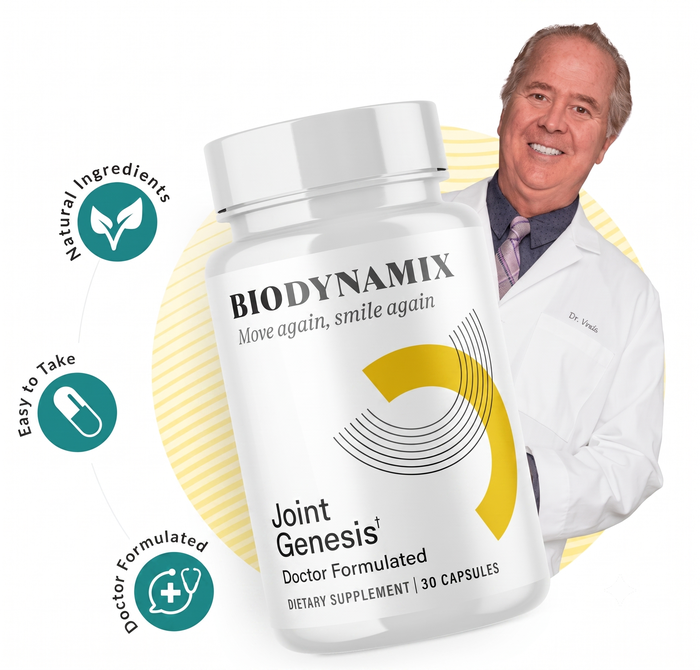
What's Inside Joint Genesis
Joint Genesis, the supplement referenced throughout this article, is built around the following researched ingredients:
Mobilee®
A hyaluronic acid complex derived from Japanese purple sweet potato, studied for its role in joint fluid support.
French Maritime Pine Bark
An antioxidant-rich extract studied for its effect on oxidative stress and circulation.
Ginger Root
A botanical extract with a long history of traditional use for inflammatory response.
Boswellia Serrata
A gum resin extract researched for its relationship to joint comfort and function.
BioPerine®
A black pepper extract included to support the absorption of the other ingredients.
Always check the official product label for the complete supplement facts panel, exact dosages, and full ingredient list before purchasing.
Research Behind The Ingredients
Doctor formulated. This does not imply endorsement by any governmental or regulatory agency. Research supporting these ingredients includes studies published in:
- Clinical Nutrition Supplements — a randomized, placebo-controlled trial found that an 80 mg daily dose of the hyaluronic acid ingredient used in Joint Genesis (Mobilee®) was associated with steadily improving joint comfort over six months compared to placebo.
- Nutrients — research examined how antioxidants from French maritime pine bark distribute into synovial fluid.
- Phytomedicine — a study looked at pine bark combined with Boswellia extract and reported positive associations with joint comfort.
- BMC Complementary Medicine and Therapies — a systematic review examined Boswellia's role in supporting joint comfort and function.
These studies evaluate the individual ingredients and not the finished Joint Genesis product. Individual results vary and supplements are not a substitute for medical treatment. These statements have not been evaluated by the Food and Drug Administration (FDA). This product is not intended to diagnose, treat, cure, or prevent any disease.